

Limes
A year-round flavour essential with steady demand across Asia and beyond.
About Limes
Limes are prized for their ability to lift the flavour of other foods. Sour limes contain citric acid; sweet limes do not. The fruit is about 2.5–5 cm across, and trees of up to about 5 m bloom and fruit all year.
Limes are believed to have originated in Southeast Asia, reaching North Africa in the 10th century and the Caribbean with Columbus in 1493. Plantations International manages lime orchards for consistent picking cycles, clean fruit and good storage life.
Ideal growing conditions
The site, soil and climate parameters our agronomists work to when developing a lime plantation.
Frost and hot winds are harmful
Supplemented with irrigation
Tolerates pH 4–9 if well drained
Overwatering risks root and collar rot
10 kg manure and 500 g superphosphate
Hillsides planted on terraces
What limes are used for
Juice & drinks
Beverages, cordials and cocktails.
Cooking
Marinades, dressings and sauces.
Preserves
Pickles, marmalade and pies.
Essential oil
Fragrance for cosmetics and perfumery.
Zest & dried lime
Spice and flavouring products.
Citric acid
Natural acidulant for food makers.
A steady global market
World lime production rose from 11.3 billion pounds in 1980 to 33.3 billion pounds in 2012, and India is the largest producer. Limes keep well at ambient temperatures and sell throughout Asia, which reduces market risk for growers.
British sailors carried limes to prevent scurvy, which is how they came to be nicknamed ‘limeys’. Limes contain less vitamin C than lemons, but they kept well on long voyages.
From nursery to harvest
- 1Jun–Aug
Planting
Trees set in prepared pits with manure.
- 2Years 1–3
Training
Shoots below 40–50 cm removed; legumes intercropped.
- 3Years 2–3
First harvest
About 50–60 fruits per tree.
- 4Year 8
Stable yield
About 700 fruits per tree.
- 5To year 25
Production
Two to three picking cycles a year.
How we manage limes
Nutrition
Three equal doses in February, June and September, rising each year to year 8.
Pests
Monitoring for citrus psylla, leaf miner and scale insects.
Diseases
Control of tristeza, canker, gummosis, powdery mildew and anthracnose.
Post-harvest
Waxing and cool storage to protect quality.
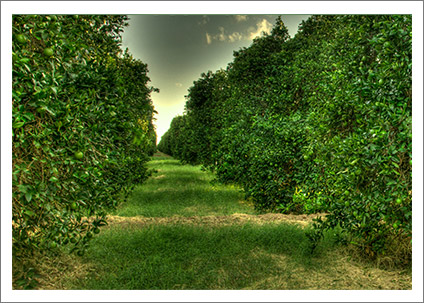
Limes in the field


Limes: common questions
How long until lime trees produce fruit?
The first harvest comes in year 2–3, with yields stabilising around year 8.
How many limes does a tree produce?
About 700 fruits a year once mature, over two to three picking cycles.
How should limes be stored?
At 9–10 °C and 80–90% relative humidity, they keep for 6–8 weeks. Avoid temperatures below 7 °C.
What soil do limes need?
Well-drained soil, ideally pH 5.5–7.5, with irrigation water below 1,000 ppm salts.
Related crops


Develop a lime plantation with us
Request a free initial consultation with our plantation development and management team.